
Exploring the psychology behind gambling habits
The Allure of Gambling: Understanding Attraction
The attraction of gambling can be tied to a variety of psychological factors that make this activity appealing to many individuals. One of the primary reasons is the thrill associated with risk-taking. For many, the excitement of potentially winning a large sum can trigger a rush of adrenaline, creating a euphoric state. This sensation can be addictive, leading individuals to seek out gambling experiences to relive that high, including playing online pokies that offer unique features and bonuses. It is this psychological cycle of anticipation and reward that often lures people into gambling habits. This allure is particularly strong in environments designed to enhance excitement, such as casinos, where the atmosphere is charged with energy and possibility.
Additionally, the social aspect of gambling plays a significant role in its allure. Many people enjoy the camaraderie found in group gambling environments, such as casinos or sports betting venues. This social interaction can lead to feelings of belonging and community, which are essential human needs. The communal experience of placing bets together, sharing strategies, and celebrating wins can be incredibly reinforcing. The combination of competition and companionship can further entice individuals to engage in gambling habits, making it a shared activity that strengthens social bonds.
Cognitive biases also contribute to the attraction of gambling, as players often fall prey to misconceptions about luck and probability. Many gamblers believe in the illusion of control, thinking they can influence the outcome of a game despite the random nature of most gambling activities. This belief can perpetuate the cycle, as players might continue to gamble, convinced that their next bet could be the one that changes their fortunes. Understanding these psychological hooks is crucial to comprehending why gambling habits form and persist, highlighting the need for awareness and education around these deceptive thought patterns.
The Role of Emotions in Gambling
Emotions play a pivotal role in shaping gambling behaviors. Many individuals turn to gambling as a coping mechanism to deal with stress, anxiety, or depression. The temporary escape that gambling provides can make it an attractive option for those seeking comfort or distraction from their daily struggles. This emotional connection can create a pattern where gambling is used as a regular means of managing feelings, potentially leading to problematic gambling behavior over time. The thrill of gambling can serve as a temporary balm for emotional distress, reinforcing the cycle of reliance on gambling for emotional relief.
Moreover, winning can induce powerful emotions, such as joy and excitement, while losing might incite feelings of anger, frustration, or sadness. The emotional highs of winning can be so compelling that they overshadow the risks involved. Gamblers often remember their wins more vividly than their losses due to a psychological phenomenon known as “loss aversion,” which can lead to an imbalance in perception and reinforce continued gambling despite negative outcomes. This selective memory can create a warped view of gambling, making it difficult for individuals to recognize the detrimental effects of their habits.

This cyclical emotional experience can create a dangerous dependency on gambling for emotional regulation. As individuals begin to rely on gambling to elevate their mood or cope with negative feelings, it can lead to a compulsive relationship with this activity. Understanding the emotional drivers behind gambling can be instrumental in addressing and mitigating harmful gambling behaviors in at-risk individuals. Interventions that focus on emotional awareness and healthier coping strategies can be effective in breaking this cycle and promoting healthier relationships with gambling.
The Influence of Cognitive Biases on Gambling Behavior
Cognitive biases significantly shape gambling behavior and decision-making. One common bias is the “gamblers’ fallacy,” where individuals believe that past outcomes can influence future results. For instance, someone might think that after a series of losses, a win is due, which can lead to increased betting and risk-taking behavior. This fallacy illustrates how faulty reasoning can lead gamblers to make irrational decisions that further entrench their gambling habits. Such biases can distort judgment and create a false sense of security, encouraging continued gambling despite negative results.
Another cognitive bias prevalent in gambling is the “illusion of control,” where players believe they have more influence over the outcome than they actually do. This misconception can cause individuals to engage in superstitious behaviors, such as wearing specific clothing or performing rituals before placing bets. The resulting illusion that they can control randomness can lead them to gamble more frequently and with larger amounts than they would otherwise. This belief can be particularly dangerous, as it may encourage individuals to place higher stakes in hopes of achieving a perceived level of control over their luck.
Understanding these cognitive biases is crucial for recognizing the psychological traps that can ensnare gamblers. By acknowledging these biases, individuals can work towards more rational decision-making processes and develop healthier gambling habits. Educational programs focusing on cognitive biases may prove beneficial for those who gamble frequently, helping them to mitigate the long-term impacts of these psychological phenomena. Such interventions can empower individuals to recognize when they are being influenced by cognitive distortions and make more informed choices regarding their gambling activities.
The Impact of Environment on Gambling Habits
The environment in which gambling takes place can greatly influence a person’s gambling habits. Elements such as lighting, sounds, and decor in a casino can create an atmosphere designed to keep players engaged. The use of vibrant colors and upbeat music can heighten excitement, making it easier for individuals to lose track of time and money spent. This carefully crafted environment is part of the overall experience that can exacerbate gambling behaviors. The sensory overload typical in casinos is intentionally designed to stimulate and prolong the gambling experience, making it challenging for individuals to maintain self-control.
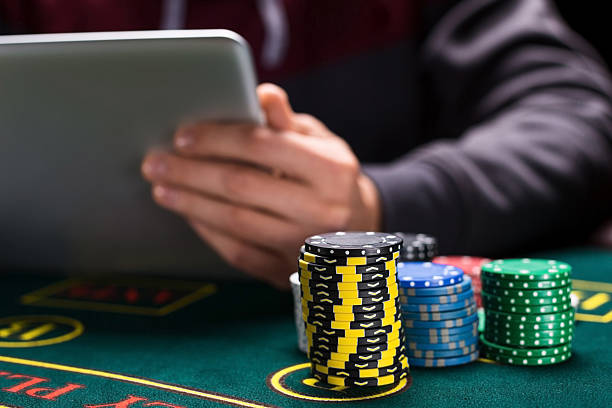
Additionally, the social environment surrounding gambling can impact habits as well. Peer pressure can play a significant role, especially among younger individuals who may feel compelled to conform to group behaviors. If friends or social circles frequently engage in gambling, the likelihood of an individual participating increases. This culture can normalize gambling as a leisure activity, thus perpetuating the cycle of gambling habits. The encouragement and excitement from peers can create an environment where gambling feels like a rite of passage or an essential part of social interaction.
Research indicates that gamblers are also influenced by their immediate surroundings, such as the presence of others who are winning. Witnessing others experience success can provoke feelings of envy and excitement, pushing individuals to gamble more in hopes of recreating that win. Understanding the importance of environment can help in developing strategies to counteract negative gambling habits, either through changes in personal surroundings or within the gambling industry itself. Recognizing how environmental factors can drive behavior is an essential step in promoting responsible gambling practices and reducing the incidence of problematic gambling.
Resources and Support for Healthy Gambling
Recognizing the psychological aspects of gambling behaviors underscores the importance of having access to resources and support networks. Many organizations focus on promoting responsible gambling practices, offering information on managing gambling habits effectively. These resources can help individuals better understand their behaviors and provide them with strategies for responsible gambling, reducing the likelihood of developing problematic habits. Programs that educate gamblers about the psychological traps they may encounter are vital for fostering a culture of awareness and accountability.
Support groups and counseling services also play a vital role for those struggling with gambling addiction. These platforms offer a safe space for individuals to share their experiences and seek guidance from others who have faced similar challenges. The communal experience of support groups can foster accountability and provide emotional backing, essential for those looking to change their gambling habits. Such environments not only offer support but also promote understanding and healing through shared experiences and strategies.
Additionally, many websites are dedicated to promoting awareness of responsible gambling. These sites often provide tools such as self-assessments and budgeting guides that can assist gamblers in tracking their behavior and making informed decisions. By utilizing these resources and fostering an awareness of the psychological elements at play, individuals can work towards healthier gambling habits and make more informed choices in the future. Such resources empower individuals to take control of their gambling behaviors and encourage a more mindful approach to their activities.